


It is now very easy for algos to be considered a ‘cure-all’ for effective FX execution, but understanding the role of human input in this process is actually one of the most important considerations when looking at how to optimise algo use, says Preston Mesick, Global Head of FX Algos at Barclays. He adds that is very useful for end customers to understand this balance and what to expect, which he notes can vary dramatically based on a variety of factors. “The algo is a very sophisticated tool, but similar to driving a Formula One car, not every driver is going to be achieving the same competitive lap times,” Mesick says. “Similarly, successful algo use is due to a mix of art and science. The science lies in what was built but there is also an art of how to get the most out of the technology.”
Generally speaking, FX algos are designed to execute within the established parameters as efficiently as possible and within the bounds of programmatically predictable outcomes, he explains. Mesick notes that trader involvement can vary, but in most cases they are there to place an order, to decide when an order needs to be placed and then evaluate post execution to establish if it went either very right, or very wrong. “However, the degree to which all of those different things are within the human purview varies pretty wildly,” he adds.

“Successful algo use is due to a mix of art and science. The science lies in what was built but there is also an art of how to get the most out of the technology.”
Preston Mesick
Overall, Mesick believes that the customers who have had a heavier hand in managing their executions tend to develop a better sense of what to expect an algo to do and, perhaps more importantly, what not to expect the algo to do. “There is a much closer tie to trader intuition,” he adds. “We see this in any activity. If you perform a task every day, you develop the ability to do it almost automatically. The same applies to executing with an algo. The more a trader interacts with strategy, the more it can be fine-tuned and they can detect sooner if something goes wrong.” Arguably, the whole intention of using an algo is to develop robust enough algos to help minimise the amount of ‘hand-holding’ necessary, Mesick says. However, being relatively heavy-handed with an algo will ultimately result in the maximal possible performance, he suggests.
Flexibility and the power of insights
“What the trader is required to do is also going to be very different at different firms, which is why we see such different interaction levels with the algos,” Mesick says. “How that trader is evaluated can also be a factor, what is the benchmark being used, and that can impact their initial algo selection. Do they have mountains of orders that they need to get through so they do not have time to sit and babysit the algo while it is running, or how strong a trader they are or how good is their idiosyncratic understanding of what potential opportunities exist in the market at any given moment. These are all important variables which impacts how much value a human can add to an algos performance.” One key area where human input can be important is in headline driven or volatile markets, where there may be a number of external factors which could be impacting the markets that the trader is aware of, but the algo is not, Mesick explains. “That would be a good example of when a trader should be more hands-on with the algo,” he adds.
Fei Xie, Former Senior FX Trader at Amazon agrees, adding that human traders continue to play an important role in FX algo execution by defining execution objectives, selecting the appropriate strategy, and overseeing execution as market conditions evolve. He adds that this level of oversight becomes especially important during periods of volatility, liquidity deterioration, or when trading less liquid currency pairs where market conditions can change rapidly. “Traders must monitor execution quality in real time and determine whether adjustments or interventions are required to achieve the desired outcome,” says Xie, adding that the balance between algos and human oversight also differs across firms. For example, systematic hedge funds may operate with a more model-driven approach and rely more heavily on automation, he explains, while corporates and asset managers often maintain greater human involvement, particularly for larger or more sensitive trades. “Corporates also tend to rely more on bank-provided algos and execution expertise, whereas some hedge funds may develop more proprietary in-house execution strategies,” Xie adds.
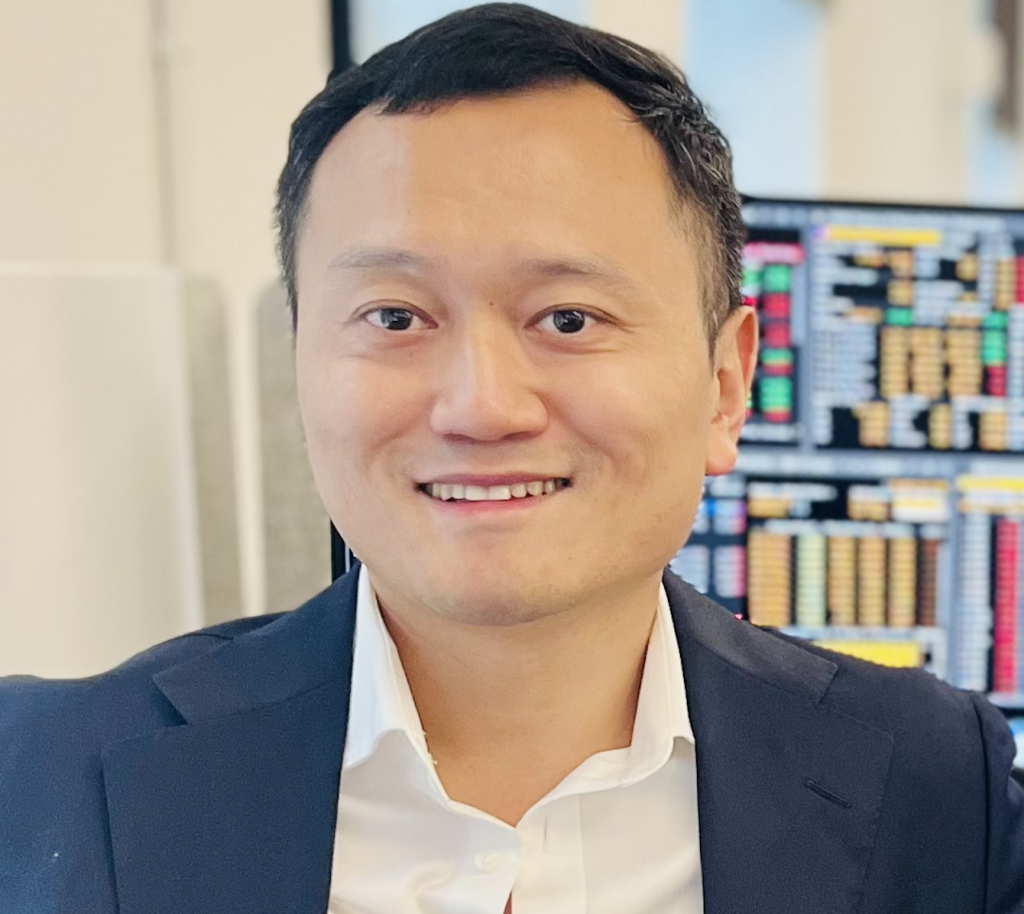
“Human oversight is particularly important during periods of market stress where flexibility and contextual judgment become more critical…”
Fei Xie
In addition, adopting a hybrid approach will also allow firms to balance execution efficiency with appropriate levels of oversight and control, Xie says. “Algos are highly effective at improving execution efficiency, minimising market impact, and reducing information leakage, while human oversight helps ensure execution remains aligned with objectives as market conditions evolve,” he says. The main benefit is found by combining systematic execution with the flexibility to adapt to changing liquidity conditions, volatility, or other market risks when necessary, according to Xie. “This allows firms to achieve more consistent execution outcomes while still maintaining strong risk management and governance standards,” he adds.
Not a one-size-fits-all
According to Xie, human discretion can add the most value when market conditions change rapidly or become less predictable. While algos operate within predefined parameters, he argues that traders will still need to assess broader market context such as volatility, liquidity conditions, geopolitical developments, or event risk that may not be fully captured by the execution logic. “Another important decision point is determining the most appropriate execution strategy for the prevailing market environment,” he adds. “Traders may need to decide whether to use a more passive or aggressive strategy, adjust execution objectives, or intervene when market conditions deteriorate and execution quality deviates from expectations. Human oversight is particularly important during periods of market stress or when trading less liquid currency pairs, where flexibility and contextual judgment become more critical to achieving the desired execution outcome.”
It is also important to distinguish between execution algos and autonomous trading algos, adds Kenneth Ho, Head of FXLM Product Distribution, MUFG. He explains that this is key because execution algos are designed specifically to help traders execute risk efficiently, for example by slicing orders, sourcing fragmented liquidity, minimising signalling risk and market impact, as well as dynamically adjusting execution strategies based on real time liquidity conditions. “In such cases, the human makes the decision on what to execute, while the algo optimises how the trade is executed,” adds Ho. In contrast to execution algos, he notes that some systematic trades will instead make use of models to initiate trading decisions based on pre-defined signals. “The balance between human and machine therefore depends heavily on the type of trading firm, liquidity profile, currency pair, availability of data, and sensitivity of underlying flow,” Ho says.
In both cases, however, Ho argues that the main benefit lies in combining machine efficiency with human judgement. He explains that it is this combination which allows firms to automate repeatable decisions while retaining flexibility, which is where discretion adds value. “Algos are very effective at processing market data, interacting with fragmented liquidity, and maintaining execution discipline,” adds Ho. “On the other hand, human oversight remains important because execution objectives can change depending on market context, client intent or liquidity conditions. That being said, these factors are increasingly programmable in algos.”

Measuring the impact on data
While algos are very effective at interpreting observable data, Ho warns that markets can often contain contextual information that is challenging to quantify. “In addition, algos often rely on historical patterns which are not always reliable, especially given the market paradigm shifts that we have observed recently,” he says, adding that human discretion can therefore prove to be of most value where judgement, context, and experience are required, especially when market conditions diverge from historical norms. On the other hand, during liquid and stable market conditions, excessive intervention may actually reduce execution quality, Ho argues. “Execution algos are typically better at maintaining consistency, avoiding emotional bias and interacting systematically with liquidity over a period of time,” he adds.
As well as reserving discretion for orders with high uncertainty, high urgency, or high information sensitivity, Ho believes that other factors which warrant increased trader input might include liquidity conditions, market depth, currency characteristics, trading objectives and signalling risk. “Algos are just another execution tool at a trader’s disposal. The appropriate balance between automation and discretion should ultimately be driven by the execution objective rather than a fixed set of rules,” he adds.
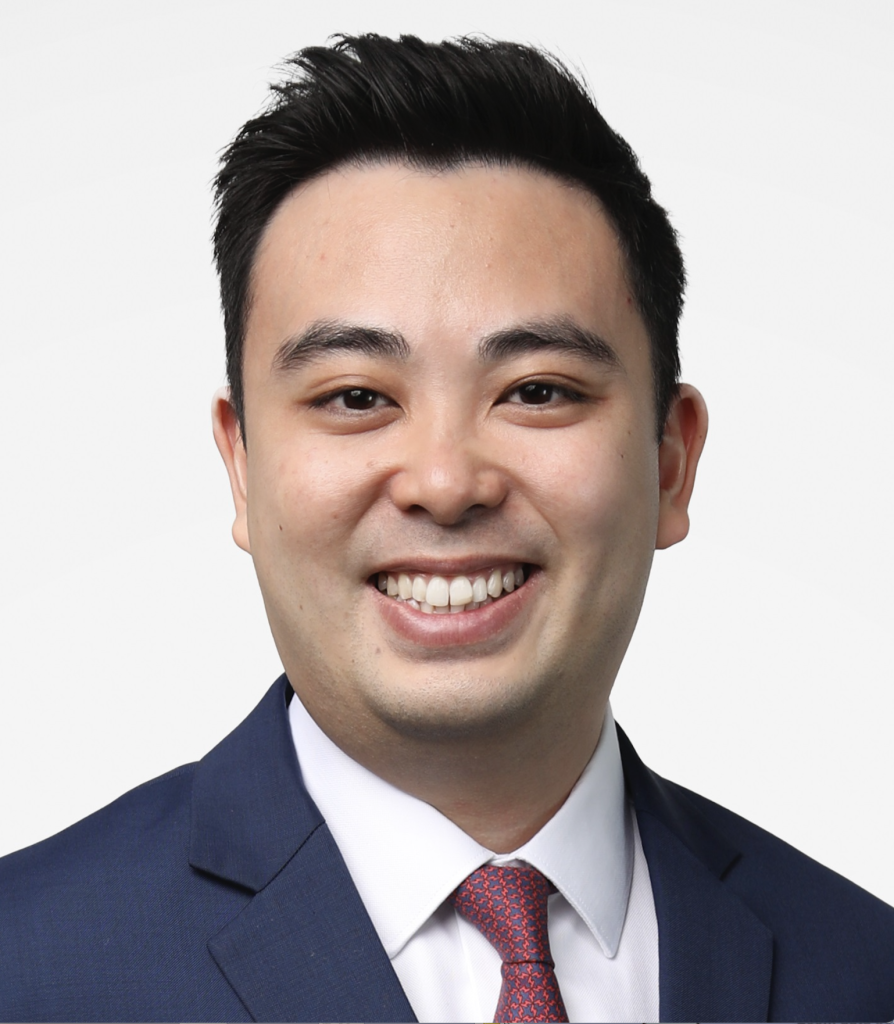
“The balance between human and machine depends heavily on the type of trading firm, liquidity profile, currency pair, availability of data, and sensitivity of underlying flow,”
Kenneth Ho
Mesick agrees, and adds that the same human psychological tendencies which existed before algos were prominent still exist with a human interacting with it. “Humans have higher reactivity to recency bias. They can make the wrong decision. They can interpret it incorrectly. One of the main challenges is that the more interaction a trader has with an algo, the more difficult it becomes to dissect or disentangle the performance of the algo versus the performance of the human,” he warns. There are also a lot of different ways for a trader to interact with the algo, such as selecting different liquidity pools or the speed of the execution, says Mesick. “But the more a trader interacts with the algo, the more difficult is to judge the performance of the actual algo versus the human. The two become entangled. The more human interaction is involved, the less valuable the portfolio statistics and TCA become. The more human interaction there is, the less statistically significant your data is going to be,” observes Mesick.
Establishing a role for AI
In contrast, there are times when human intervention is important, says Mesick, who adds that this where the partnership between banks and customers can play a significant role. “There have been many occasions where a change to the normal parameters was made by accident or overlooked by a trader, but we saw the change in the expected pattern and were able to notify the client,” he adds. “It is very important to understand what is going on with our customers and helping our customers get optimal outcomes.”
Overall however, Mesick predicts that the amount of time and energy being spent on monitoring each algo is likely to continue to decrease. “We are all, in every business, trying to do more with less, and a necessary byproduct of that is to spend less time on each thing,” he adds. The BARX Gator algos in particular have become increasingly robust over time, according to Mesick, which he says then allows customers to move on to do other things. “It is still not a case of ‘fire and forget’, although some providers might aim to have a completely automated algo offering. In general, there will always be some element of human interaction, but that amount will reduce over time,” he adds.
Similarly, Mesick nots that the potential role of AI in algo execution will likely remain more as an advisor, less as a decision maker. AI can quickly consolidate a vast amount of data into actionable intelligence, which can help with the decision of whether to place an algo, he explains, adding that there could also be a use case in evaluating post trade performance. “The caveat to this is that AI can be a very, very strong tool, similar again to driving a Formula One car. However, if you are not a skilled driver, you are unlikely to get the best performance from it. The same with AI, you need to be skilled enough to ask it the right question in the first place.”
The case for human oversight
As a result, working with the algo provider’s various teams in a partnership model is superior to trying to figure everything out on your own, says Mesick. “We have a huge range of experience across our entire franchise, including my trading team, where we have seen a lot of different scenarios already play out and can guide customers to potentially better solutions more quickly,” he says. It is therefore the decision-making process up to placing an algo where human interaction adds the most value, according to Mesick. “Once the algo is going, the algo is going to do what it is going to do and it is mostly out of your hands – all the impact up to that point is from the trader’s decision making. That is why this element of ‘human interaction’ with our people, who look at these specific algos every day, is where you can add the most significant value to the algo execution,” Mesick says.
There are also many areas where human discretion may add less incremental value, Xie warns, such as when executing in highly liquid currency pairs or in stable market environments where execution conditions are relatively predictable. In these situations, algos can often manage execution efficiently within predefined parameters while maintaining consistent execution quality, he explains. “As algo capabilities continue to evolve, particularly with adaptive execution strategies, there may also be less need for traders to make frequent manual adjustments during execution,” says Xie. “However, appropriate monitoring and oversight remain important even in highly automated execution environments.”
Trade size, liquidity conditions, market volatility, and currency pair characteristics will also continue to significantly influence how much human oversight is appropriate, adds Xie, in addition to other considerations such as high uncertainty, urgency or information sensitivity. He adds that in less liquid or emerging market currency pairs, particularly in some onshore markets such as CRC, human discretion may become more important due to more limited liquidity and execution capabilities. Certain products, such as cross-currency swaps, may also require more manual execution depending on market structure and liquidity conditions.

Automating the execution life cycle
Xie adds: “It is also important to establish clear frameworks and criteria even for automated execution. Firms should define parameters around spreads, liquidity availability and LP participation to ensure automated execution remains aligned with the intended execution objectives and risk tolerance.” Xie notes that exception handling is one of the clearest areas where human oversight remains important, as traders may need to intervene when algos encounter liquidity issues, widening spreads, declining fill quality, abnormal market conditions, or execution performance that deviates materially from expectations. In these situations, traders may decide to pause execution, adjust parameters such as aggression levels, switch execution strategies, or move away from algo execution entirely depending on market conditions, he adds. “This is also where in-flight TCA becomes particularly valuable, as it provides real-time visibility into execution performance and allows traders to respond dynamically as market conditions evolve,” says Xie.
Yet as FX algos become more adaptive and sophisticated, there will likely be less need for traders to make frequent manual adjustments during execution, Xie says. More advanced algos should increasingly be able to respond dynamically to changing market conditions within predefined risk and execution parameters, and as a result, he explains that the human role is likely to become more focused on strategic oversight, real-time monitoring, and execution governance rather than manual execution management. He adds: “Traders will spend more time defining execution objectives, evaluating execution quality, and determining when intervention may still be necessary under abnormal market conditions.”
While human oversight will remain important, AI has the potential to make execution workflows more adaptive, data-driven, and efficient, according to Xie. “Currently, AI is increasingly being used as a decision-support tool within execution platforms, helping traders access market colour, liquidity insights, volatility analysis, and other pre-trade information through more interactive workflows,” he adds. “Looking ahead, AI could potentially support the full execution lifecycle.” In the pre-trade stage, for example, Xie predicts that AI may help determine whether risk transfer or algo execution is more appropriate, recommend execution strategies based on market conditions, and provide guidance around liquidity and expected execution costs. “During execution, AI could help monitor market conditions in real time and dynamically adjust execution parameters as liquidity and volatility evolve. In the post-trade stage, AI-enhanced TCA could help create more automated feedback loops to refine execution strategies and improve future execution outcomes,” he adds.

Better governance and guidance
At present, trading firms should be working to establish clear escalation criteria around factors such as liquidity conditions, volatility, widening spreads, or execution performance deviating from expectations, Xie says. He explains that real-time monitoring and in-flight TCA are particularly important because they provide traders with the visibility needed to determine whether intervention is necessary. Xie believes that firms should start by clearly defining the execution objective as different trades may prioritise different outcomes, such as reducing execution cost, beating risk transfer price, or minimising market impact. “Human discretion should be calibrated around those objectives rather than applied uniformly across all trades. A guiding framework should balance discipline with flexibility, giving traders enough structure to avoid over-intervening, while still allowing discretion when market conditions genuinely change. Ultimately, the key is not to intervene more, but to intervene better – based on clear objectives, real-time data, and predefined escalation criteria,” Xie explains.
Furthermore, Ho adds that while execution algos are designed around expected market behaviours based on historical patterns, markets do not always behave rationally during periods of stress or dislocation. Human traders will therefore still play an important role in determining whether deteriorating execution conditions are temporary, structural or event-driven, according to Ho. “That being said, algo sophistication has increased greatly over the years and algos are more equipped to handle different types of market conditions,” he says. Over time, exception handling will likely become more collaborative between automated safeguards and human supervision, rather than purely manually intervention. We have observed this trend in the past year where algo volumes spiked during periods of market volatility, which indicates that trader sentiment and their trust in algos to handle such situations has greatly increased.”
The human role itself is also likely to become increasingly supervisory and strategic, Ho says. Rather than manually managing executions, he believes that traders will focus more on defining objectives, identifying alpha opportunities and conditions, calibrating strategy selection, interpreting market structure changes, and overseeing governance framework. In addition, he expects that there will also be a greater emphasis on advisory value – such as helping clients understand liquidity behaviour, execution design, and TCA insights – rather than simply providing access to an algo. AI could also significantly improve the adaptability of execution algos by helping them respond more dynamically to changing liquidity conditions and market regimes, according to Ho. He notes that AI can also help with speeding up the calibration and development of new algos, resulting in more tailored solutions for traders. “However, as algos become more autonomous, governance will get more important. Firms and their clients will still need transparency around how decisions are being made and when intervention thresholds apply,” he warns.
He adds: “Firms should avoid viewing this as a choice between humans or machines. The strongest frameworks are designed around a balance between the two.” Algos are designed to handle scalable and repeatable execution decisions, explains Ho, while the humans behind the algos should be focusing on context, oversight and exceptions. “Again, it is very important to define clear intervention thresholds for when a human needs to step in. Better governance around this will be key. Ultimately, algos should be viewed as tools that enhance decision-making and execution efficacy, not as a replacement for human judgement and accountability,” Ho concludes.
